Mandaue City, the Philippines · since 2018
Hay nako!
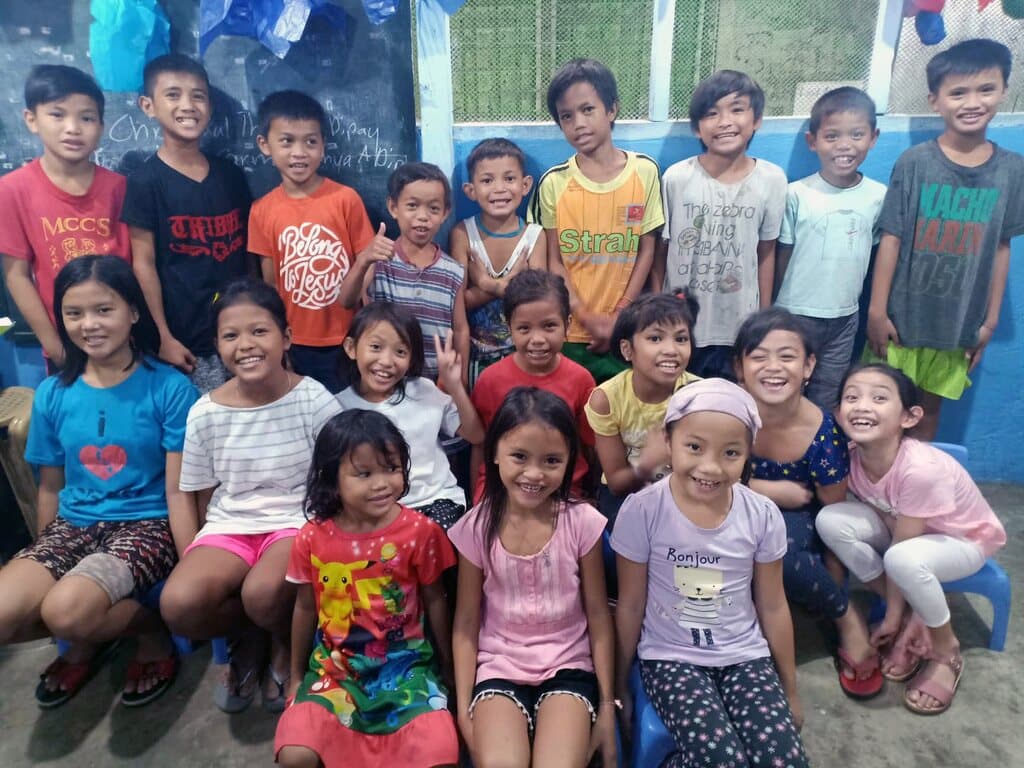
A small school for the mind and the heart, for children in a slum in Mandaue City. I started it in 2018 with my friend Dannica. Today the local team runs it on its own.
01The name
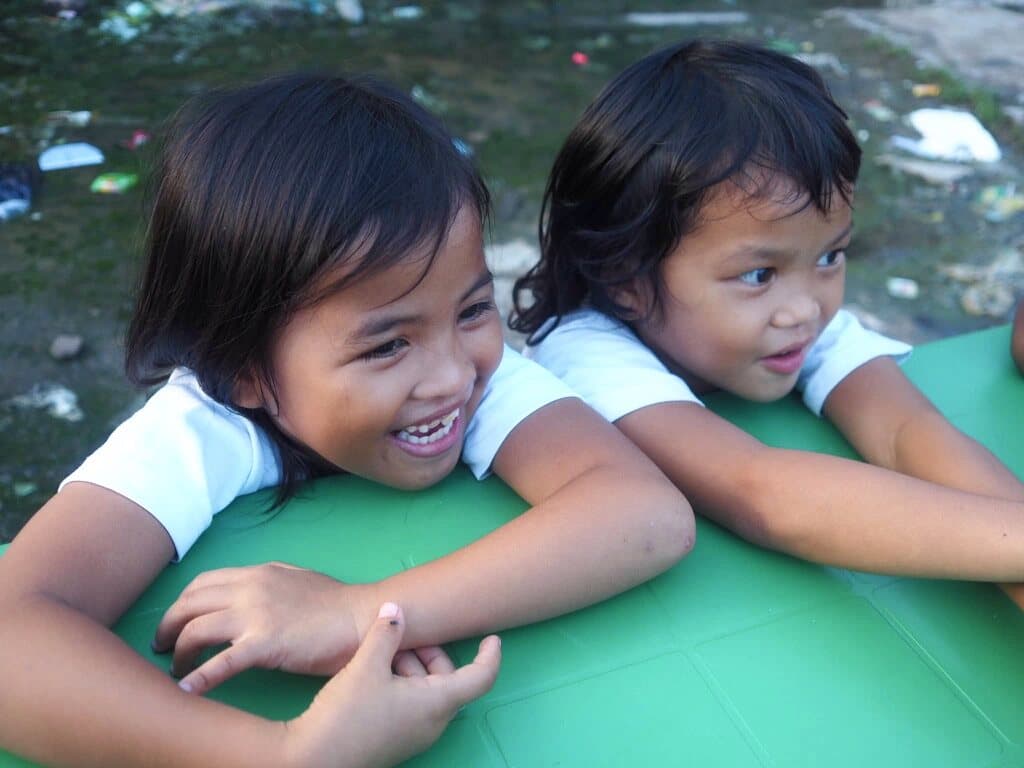
Two children behind a garbage bin.
In December 2018 I needed a holiday. I had worked far too much for half a year, so I closed my eyes and put my finger on a map. It landed on the Philippines, where I knew one person: Dannica, a friend from my exchange year in Canada.
One of the first evenings I walked through Mandaue with Dannica and a bag of groceries that held more food than many families there see in a month. Behind a garbage bin lay a girl of ten or eleven, asleep, with her arm over her little brother. I stopped and could not move.
Hay nako! Come on, we have to go.
Hay nako is what you say when you stub your toe, or when life surprises you, good or bad. For me it meant: wake up. We left some food for them. I went back to my room and started reading.
02The school
A school, not a food line.
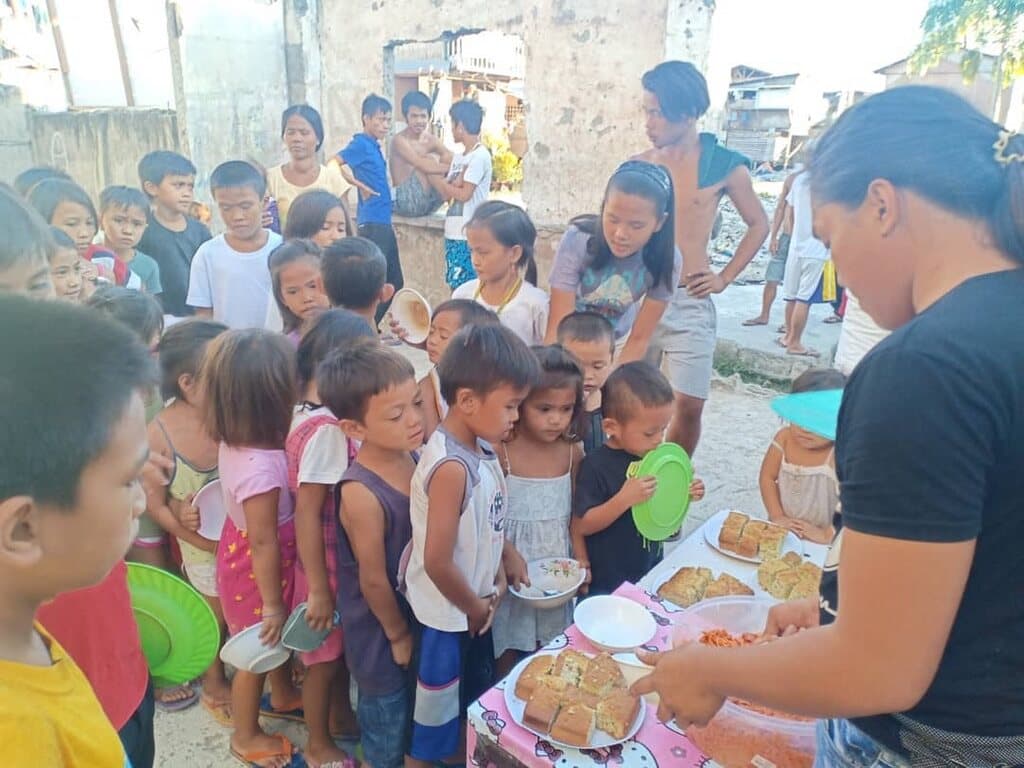
My first idea was to hand out food. But food on its own would make the children depend on me, and I could never feed them all. So we rented one room, hired a few teachers and bought paper, pencils and colours: a school for the mind and the heart, with a hot meal. The first 20 places were gone in ten minutes.
- 20
- children in the first class
- 35
- six months later
- 50
- at the most, with 12–15 volunteers
Counted from my own notes and posts, not an attendance register.
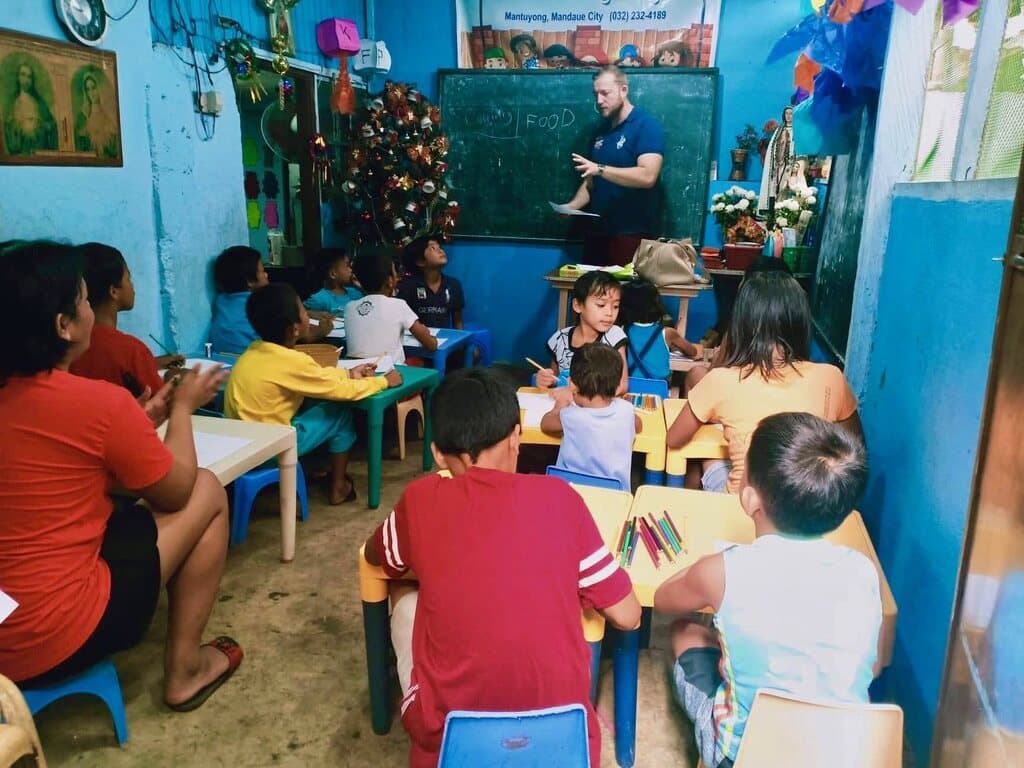
03Four pillars
Food first. Then everything else.
Hay Nako was never an orphanage, a shelter or a full-time school. It was a supplement, and a safe place to be a child for a few hours a day.
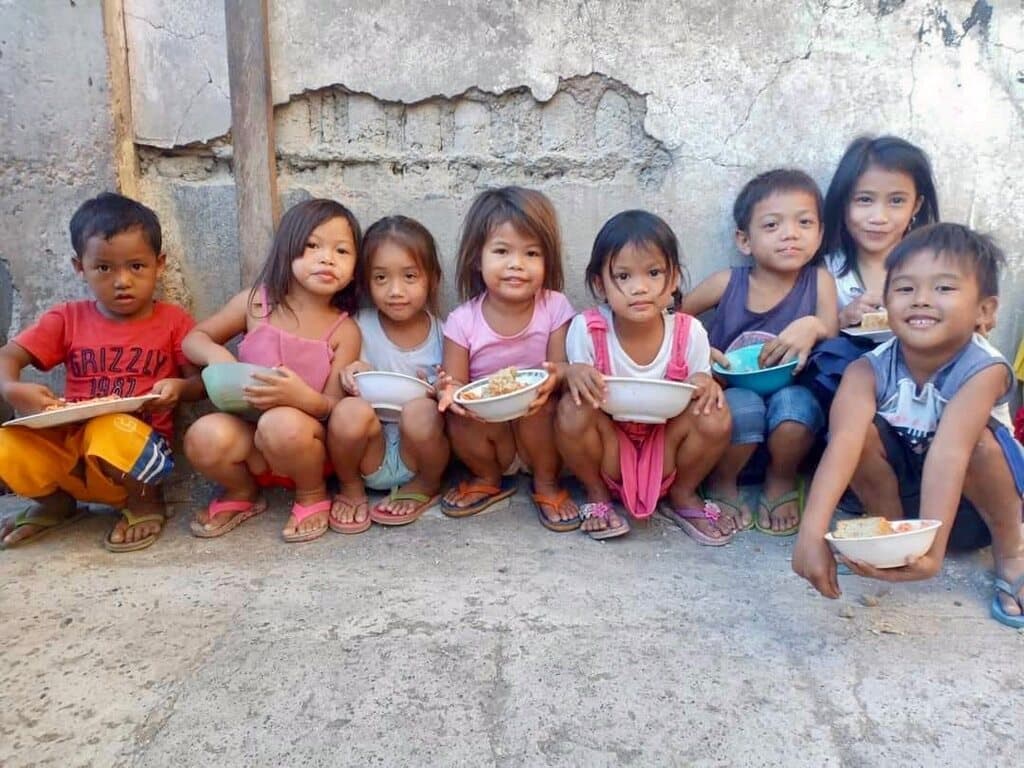
Basic needs
Food, water and safety. No child learns on an empty stomach.
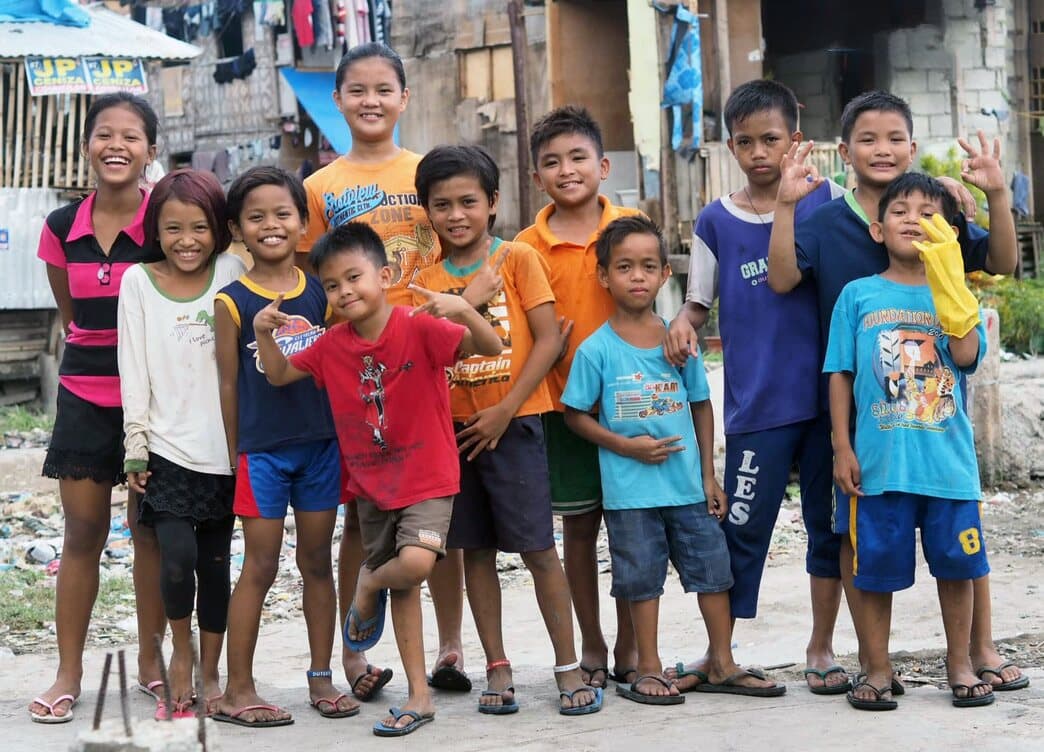
Community
Clean-up drives in our own streets. Kids who used to look at the ground started saying: I am one of the Hay Nako Kids.
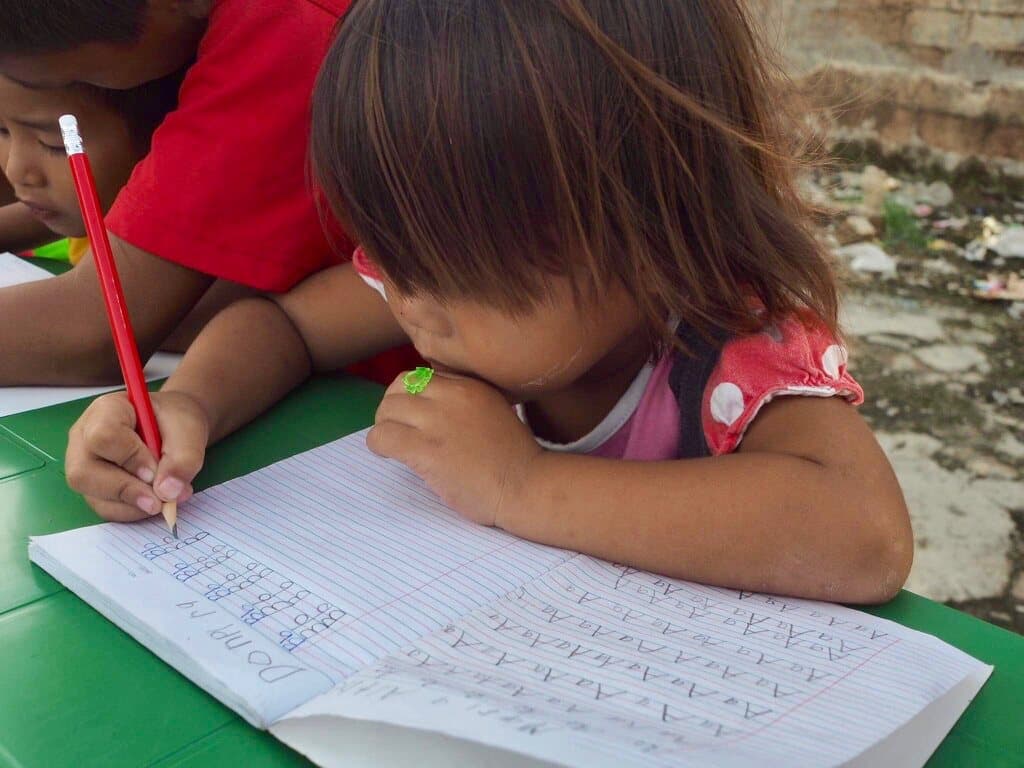
Education
Homework cafés for the kids in public school. Art, English, reading and writing for the ones who were not, and play-based learning for the Juniors, aged 2 to 7.
Childhood
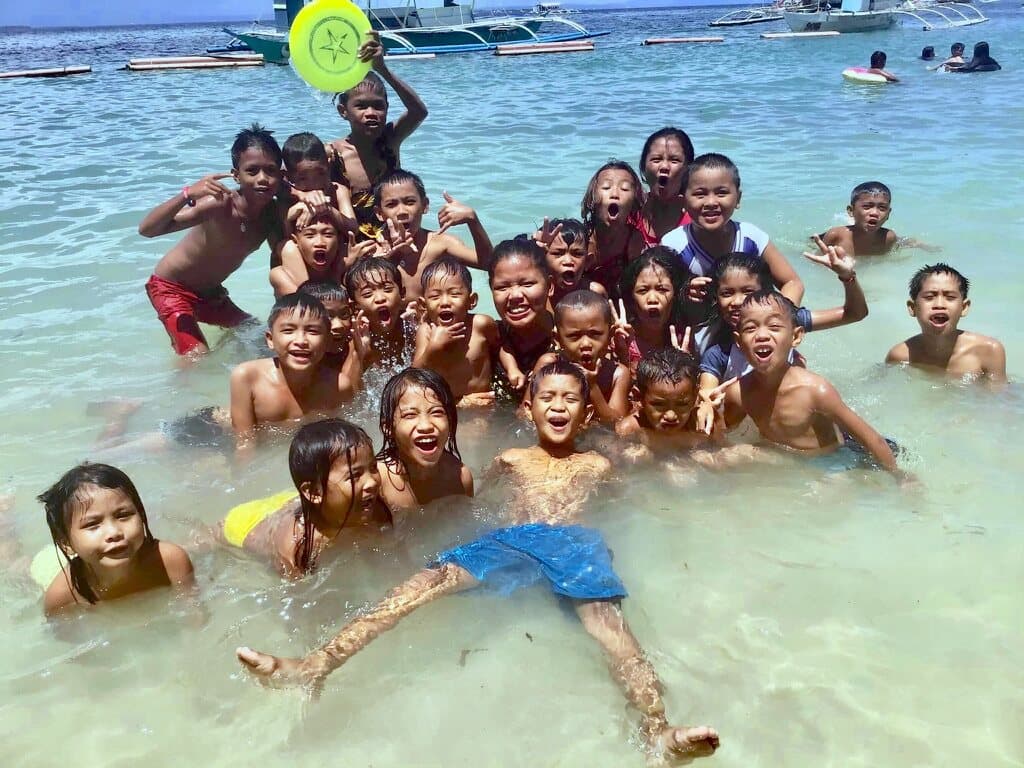
Beach days, cinema and games. Childhood cannot be rerun, so it could not wait.
04Birthdays
Dannica was right.
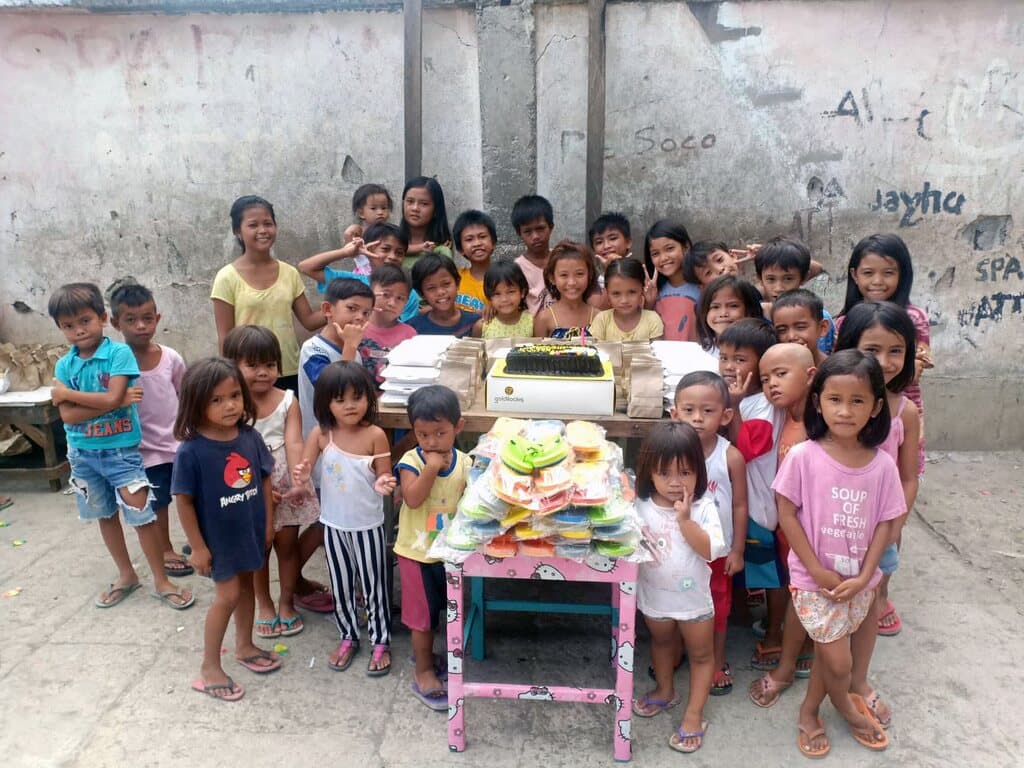
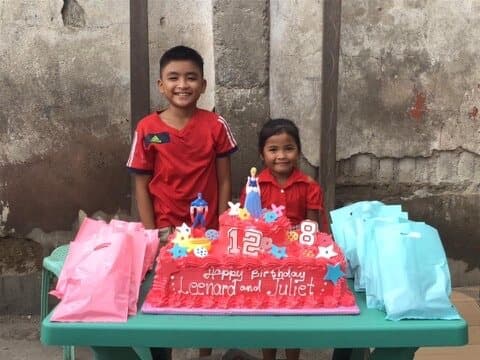
Early on I wanted to spend the budget on school materials. Dannica wanted a party every month for the children with a birthday that month. I thought it was a waste of money and said yes with a sigh. It became the best decision we ever made. Parents came to thank us, because they could not afford a cake themselves. It made Hay Nako a family.
Not every good decision can be calculated.
05The fire
Six months later, they gave their beach day away.
In the beginning
Six months later
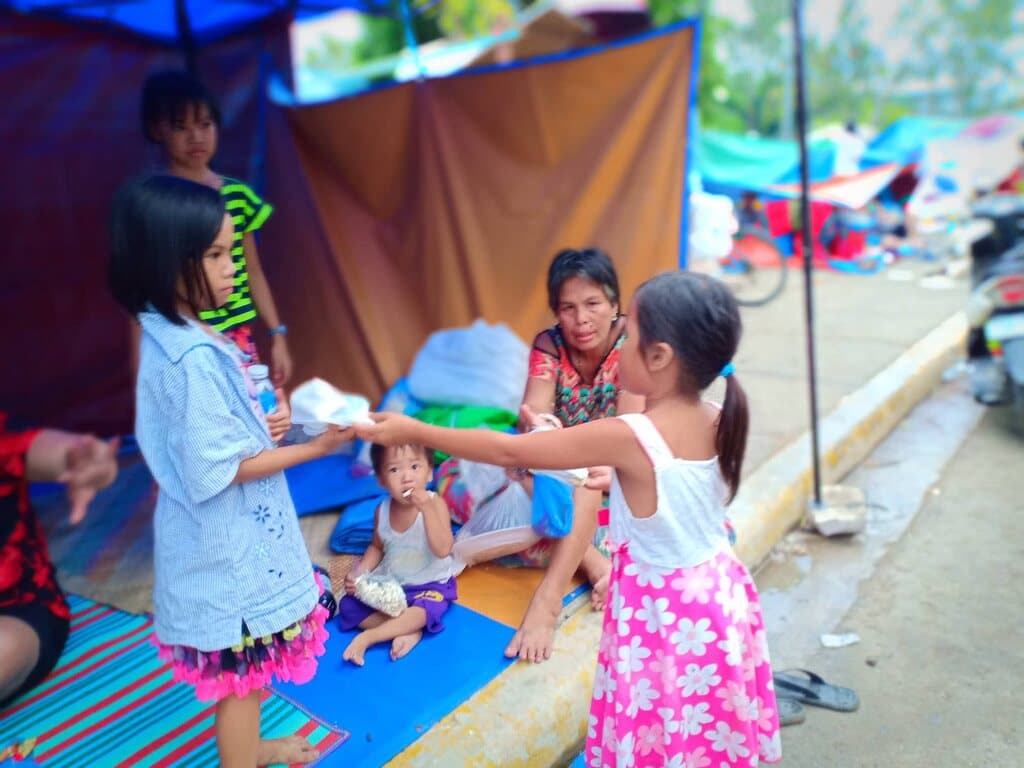
I have never been prouder of anyone.
06The shop
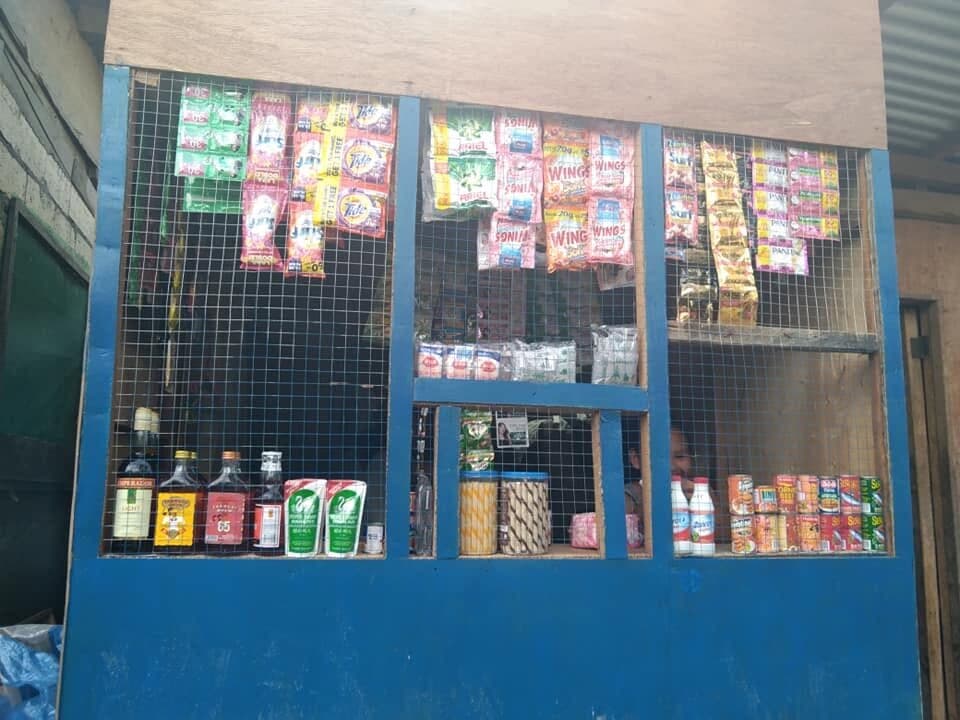
A shop, so they would not need me.
Hay Nako ran on my money, and more children wanted in than we could afford. In May 2021 Dannica and the kids opened a small shop in the community. The profit went back into the programme, and the kids learned about work and money by helping. By 2023–2024 it covered almost all the costs, and I stepped down. It still runs today, smaller, and the Hay Nako Kids still meet.
07The people
Dannica and the local team did the daily work.
- Dannica
- Ran daily life with the children and their families.
- The teachers and 12–15 local volunteers
- Did the daily teaching.
- Andreas
- Built the website and the donation tracker.
- Sam
- Led and wrote the course material.
- Carsten
- Built the shop's accounts system and gave business advice.
- Me
- The idea, the model, the room, most of the money and the Danish association.
- Danish association · CVR 40636161 · registered 3 July 2019
- Public fundraising approved by Indsamlingsnævnet · 1 Feb 2020 – 15 Jan 2021 · 15 Jan 2021 – 10 Jan 2022
The early years, in print
The Hay Nako Kids
The children, the everyday moments, and what we built together. Open the magazine and leaf through the story.
Download PDF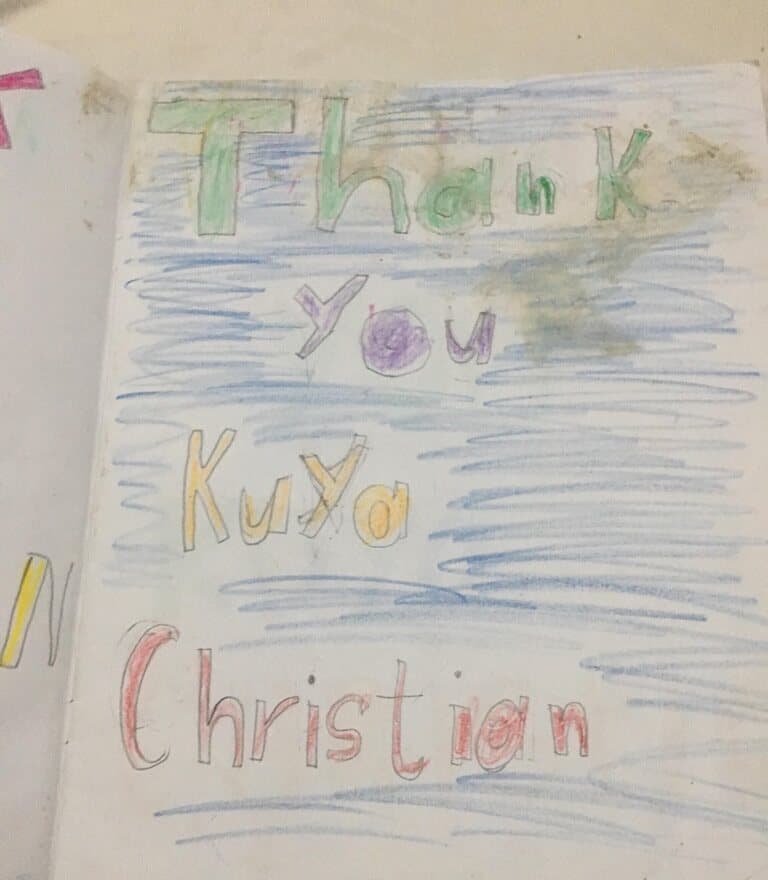
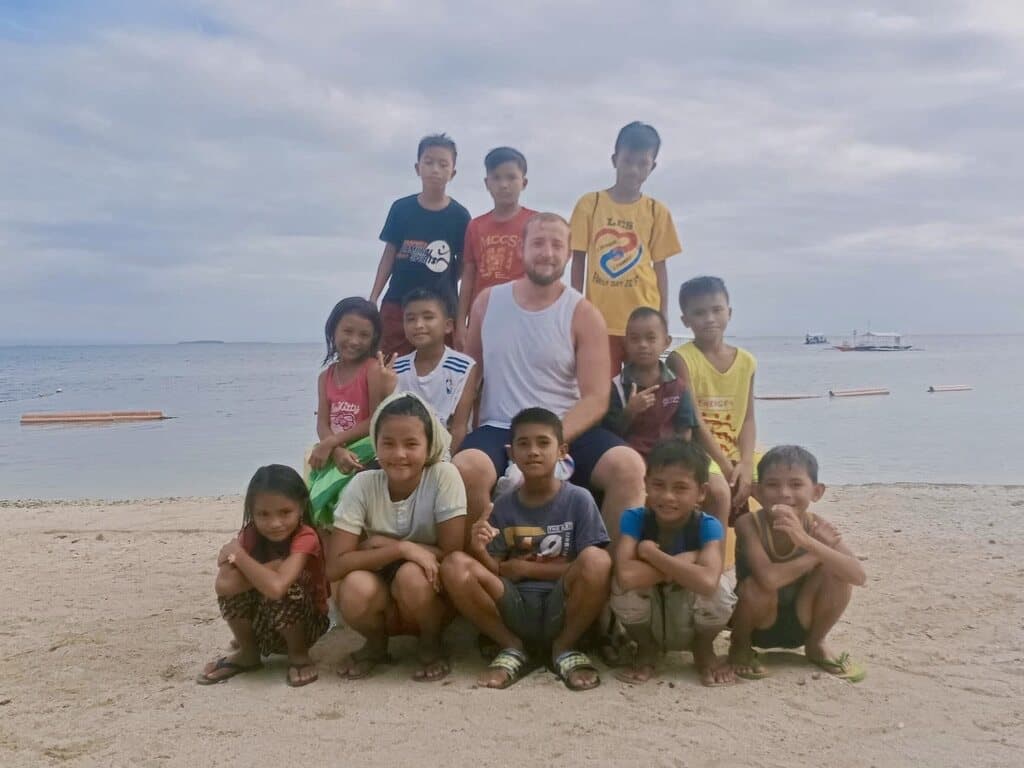
They called me Kuya Christian. Big brother.